The best standby generator for most homes is the Generac Guardian 22kW (model 7043). It makes 22,000 watts on propane and 19,500 watts on natural gas, ships with a 200-amp whole-house transfer switch, and starts on its own a few seconds after the power goes out. If you want the longest warranty, the Champion 14kW aXis system carries a 10-year limited warranty. If you only need essential circuits, the Generac Guardian 10kW is the smaller, cheaper choice.
We first published this list in 2021, and several models on it, such as the Generac PowerPact 7.5kW, are no longer made. This updated guide covers five home standby generators you can still buy, with the output, noise and warranty figures taken from each maker’s spec sheet. You will also find how to size a standby unit, how it compares with a portable inverter generator like the Honda EU3000iS, and what installation and upkeep involve.
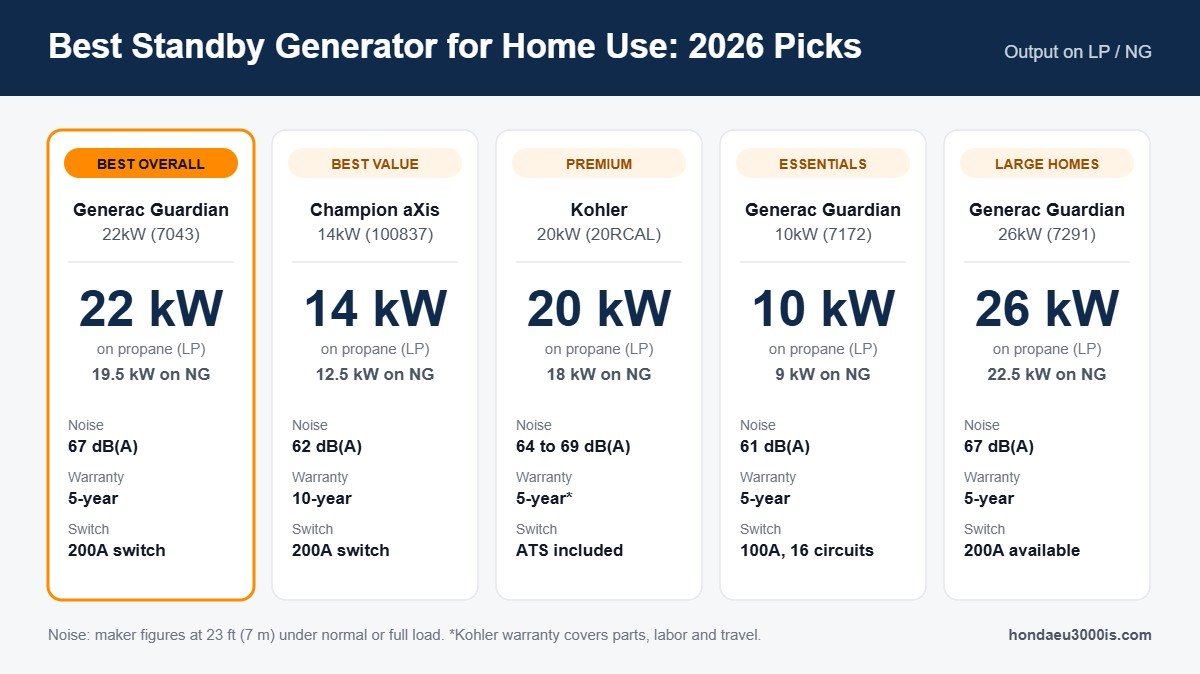
Table of Contents
Best Standby Generator for Home Use: Quick Picks
These are the best standby generator picks for different homes and budgets. Each one is an air-cooled unit that runs on natural gas or propane and switches on by itself through an automatic transfer switch.
| Generator | Best for | Output (LP / NG) |
|---|---|---|
| Generac Guardian 22kW (7043) | Best overall, most average homes | 22 kW / 19.5 kW |
| Champion 14kW aXis (100837) | Best value, 10-year warranty | 14 kW / 12.5 kW |
| Kohler 20kW (20RCAL) | Premium build and dealer support | 20 kW / 18 kW |
| Generac Guardian 10kW (7172) | Essential circuits, smaller homes | 10 kW / 9 kW |
| Generac Guardian 26kW (7291) | Large homes with several AC units | 26 kW / 22.5 kW |
The 5 Best Standby Generators for Home Use in 2026
1. Generac Guardian 22kW (7043): Best Overall
The Guardian 22kW is our pick for the best standby generator for most homes. Generac rates it at 22,000 watts on liquid propane and 19,500 watts on natural gas, which covers central air, a well pump, the fridge, lights and outlets in many average-size homes. The 7043 package includes a 200-amp, service-rated smart transfer switch in an aluminum NEMA 3R enclosure, so the whole panel can be backed up rather than a short list of circuits.
Generac’s True Power technology keeps total harmonic distortion under 5 percent, which matters for computers, TVs and furnace control boards. Wi-Fi monitoring through the Mobile Link app is built in, so you can check the generator’s status and maintenance reminders from your phone. On its spec sheet, Generac lists 67 dB(A) at 23 feet under normal load and 57 dB(A) during the low-speed Quiet-Test weekly exercise.
- 22,000 W on LP, 19,500 W on natural gas
- 200-amp whole-house transfer switch included
- 67 dB(A) at normal load, 57 dB(A) in Quiet-Test mode
- 5-year limited warranty, about 466 lb
The trade-off is fuel use on propane: Generac lists about 2.53 gallons per hour at half load and 3.9 gallons per hour at full load, so a propane home needs a large tank for multi-day outages.
2. Champion 14kW aXis with 200A Switch (100837): Best Value
Champion’s 14kW aXis system is the best standby generator for buyers who want whole-house switching without paying for a 22kW engine. It produces 14,000 watts on propane and 12,500 watts on natural gas, and the bundle includes a 200-amp aXis automatic transfer switch that can manage large loads so the generator is not overloaded when the AC and the dryer start together.
Two numbers make it stand out. Champion lists an operating volume of 62 dB(A), lower than the Generac 22kW and Kohler 20kW figures, and the generator carries a 10-year limited warranty, twice the length of the standard Generac and Kohler coverage. The transfer switch has its own, shorter warranty, so read both terms before you buy.
- 14,000 W on propane, 12,500 W on natural gas
- 200-amp aXis whole-house transfer switch included
- 62 dB(A) operating volume
- 10-year limited warranty on the generator
3. Kohler 20kW (20RCAL): Best Premium Pick
Kohler’s home generator business now runs under the Rehlko company name, though the generators still carry the KOHLER badge. Its current 20kW home model is the 20RCA, and the 20RCAL version comes with an automatic transfer switch and Kohler’s energy management app. It is rated at 20 kW on propane and 18 kW on natural gas, with a CH1000 engine running at 3,600 rpm.
If dealer support is what makes the best standby generator for you, Kohler is the brand to look at: the premium 5-year limited warranty covers parts, labor and dealer travel for the full term. Kohler lists 64 dB(A) during the weekly exercise and 69 dB(A) at full-speed operation, so it is a little louder at full load than the Generac 22kW.
- 20 kW on LP, 18 kW on natural gas
- Transfer switch and energy management app included with 20RCAL
- 64 dB(A) exercise, 69 dB(A) full speed
- Premium 5-year limited warranty with parts, labor and travel
4. Generac Guardian 10kW (7172): Best for Essential Circuits
Not every home needs whole-house power, and the best standby generator for a small home can be a modest one. The Guardian 10kW makes 10,000 watts on propane and 9,000 watts on natural gas, and the 7172 package pairs it with a 100-amp, 16-circuit transfer switch. You choose the circuits that matter during an outage, such as the fridge, furnace blower, sump pump, well pump, a few lights and the internet router.
It is also the quietest Generac here on paper: 61 dB(A) at 23 feet under normal load and 57 dB(A) in Quiet-Test mode. Because it is smaller, the pad, gas line and installation are usually simpler than for a 22kW unit. The limit is central air: a 10kW unit may not start a large AC compressor along with everything else.
- 10,000 W on LP, 9,000 W on natural gas
- 100-amp, 16-circuit transfer switch
- 61 dB(A) normal load, 57 dB(A) Quiet-Test
- 5-year limited warranty
5. Generac Guardian 26kW (7291): Best for Large Homes
If your home has two AC units, electric cooking, a large well pump or a workshop, the Guardian 26kW is the best standby generator here for big loads. Generac rates it at 26,000 watts on propane and 22,500 watts on natural gas. A 200-amp service-rated transfer switch is available for it, and it shares the Guardian features: Wi-Fi monitoring, True Power output and a 5-year limited warranty.
Its sound figures match the 22kW model, 67 dB(A) at normal load and 57 dB(A) during Quiet-Test. The cost of the larger unit only pays off if your load list needs it, so run the sizing steps further down before choosing it over the 22kW.
- 26,000 W on LP, 22,500 W on natural gas
- 200-amp service-rated transfer switch available
- 67 dB(A) normal load, 57 dB(A) Quiet-Test
- 5-year limited warranty
Home standby generators are large, heavy items that need a licensed installer, and some brands sell mainly through local dealers. Use the Amazon listing to compare prices, then confirm the installer will work with the unit you buy.
What Is a Standby Generator?
A standby generator is a permanently installed generator that sits on a pad outside your home, connects to your natural gas line or a propane tank, and wires into your electrical panel through an automatic transfer switch. When the utility power drops, the switch detects the outage, starts the generator and moves your circuits over to it, usually within seconds. When grid power returns, it switches back and shuts the generator down.
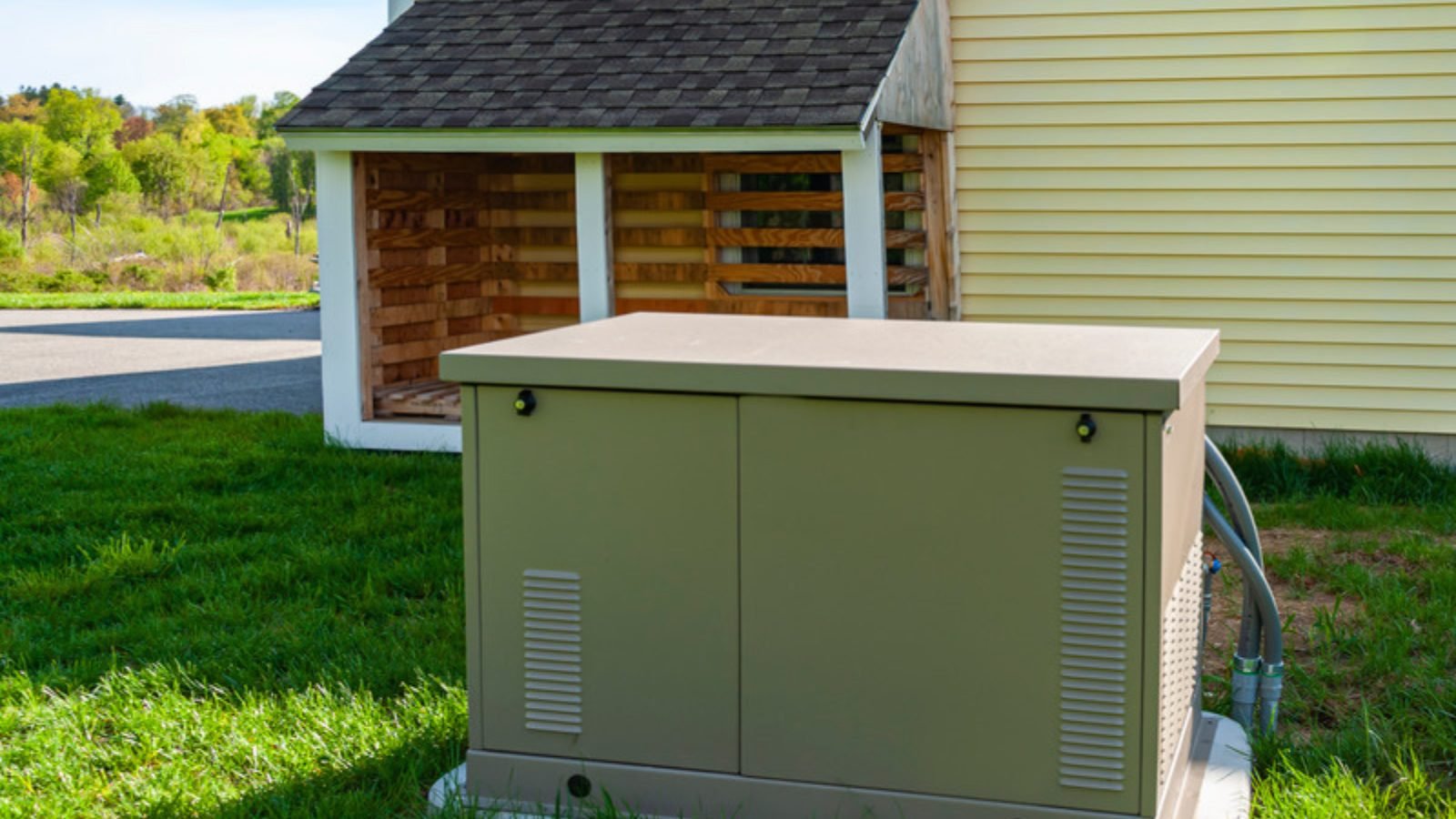
Because it runs on piped gas or a large propane tank, there is no refueling during a storm, and the unit runs a short self-test each week so you know it will start. That is the main difference from a portable generator, which you have to roll out, fuel and plug in by hand.
Standby Generator vs Portable Generator
A portable inverter generator such as the Honda EU3000iS and a home standby generator solve different problems. Here is how they compare.
| Feature | Home standby generator | Portable inverter (EU3000iS) |
|---|---|---|
| Output | 10 to 26 kW in this guide | 3,000 W max, 2,800 W rated |
| Start | Automatic, within seconds | Manual, you wheel it out and start it |
| Fuel | Natural gas or propane, no refueling | Gasoline, refuel every 6.9 to 19.6 hours |
| Connection | Automatic transfer switch | Cords, or an inlet with a transfer switch or interlock |
| Noise (maker figures) | 57 to 69 dB(A) | 50 to 57 dB(A) |
| Other uses | Home only | Camping, RV, job sites |
If you already own an EU3000iS, it can carry a fridge, furnace blower, lights and phones through a short outage when an electrician installs a power inlet with a manual transfer switch or panel interlock. Do not plug a generator into a wall outlet to backfeed the house; it can injure line workers and damage the generator. A standby generator makes sense when outages last days, when someone at home relies on medical equipment, or when you want central air and the whole panel covered without lifting a finger. Keeping a portable on hand still helps: our guides to EU3000iS oil and oil changes, a replacement battery and wheel kits cover what it needs to stay ready.
How to Size a Standby Generator for Your Home
Choosing the best standby generator starts with sizing, the step that decides whether you need a 10kW, 14kW, 22kW or 26kW unit. A licensed installer will do a load calculation, but you can get close on your own.
- List what must run. Start with the fridge, freezer, furnace blower, sump or well pump, lights, outlets for phones and Wi-Fi, and any medical equipment.
- Decide on central air. An AC compressor has a high starting surge. Homes that want AC during outages usually land in the 20 to 26 kW range.
- Add running watts, then the largest starting surge. Use the wattage on each appliance label, add them up, then add the biggest motor’s extra starting watts.
- Use the natural gas rating if you have gas service. Every model here makes less power on natural gas than on propane.
- Leave about 20 percent headroom. Running a generator near its limit for days shortens its life and causes voltage dips.
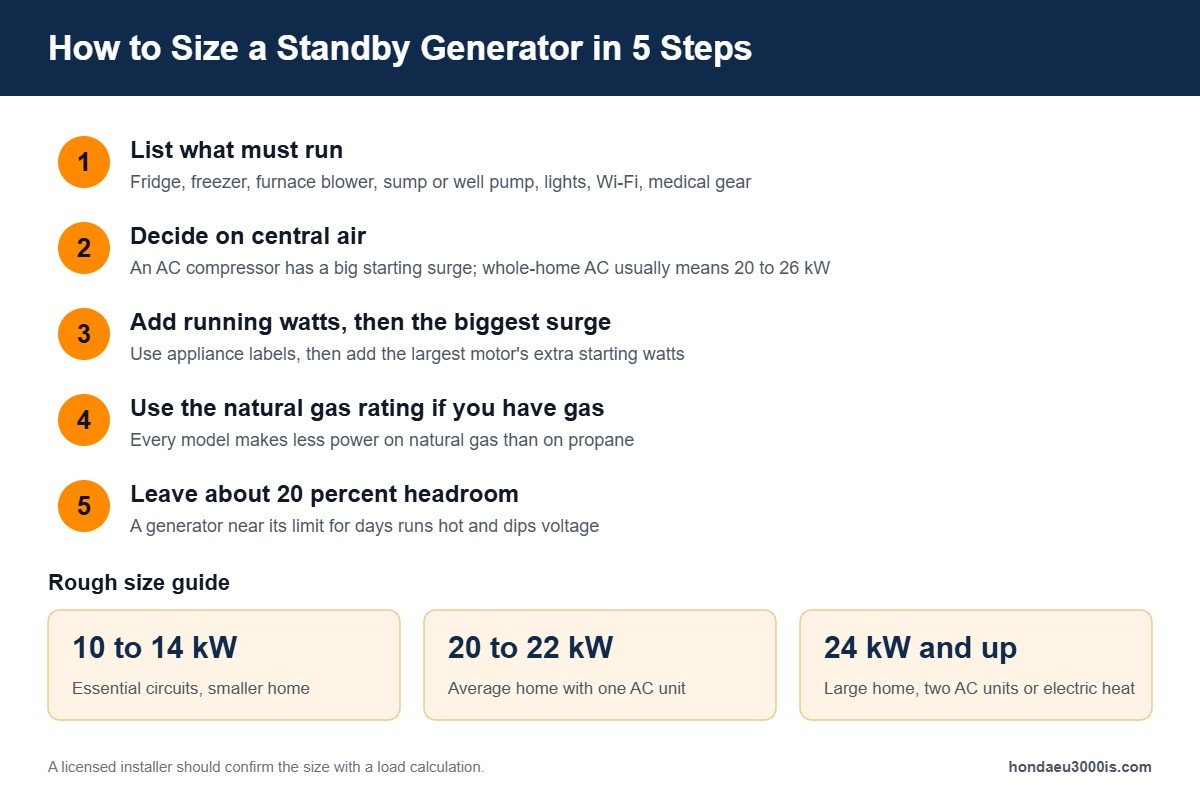
As a rough guide, essential circuits in a small home fit a 10 to 14 kW unit, an average home with one AC unit fits a 20 to 22 kW unit, and larger homes with two AC units or electric heat look at 24 kW and up. Load-management switches, like the aXis switch on the Champion, can let a smaller generator cover more circuits by shedding big loads when needed.
Natural Gas or Propane?
All five generators run on either fuel, and the choice usually depends on what your home already has.
- Natural gas comes through the utility line, so there is no tank to refill. Output is lower than on propane (for example 19.5 kW instead of 22 kW on the Generac 22kW), and your gas meter must be able to supply the extra flow.
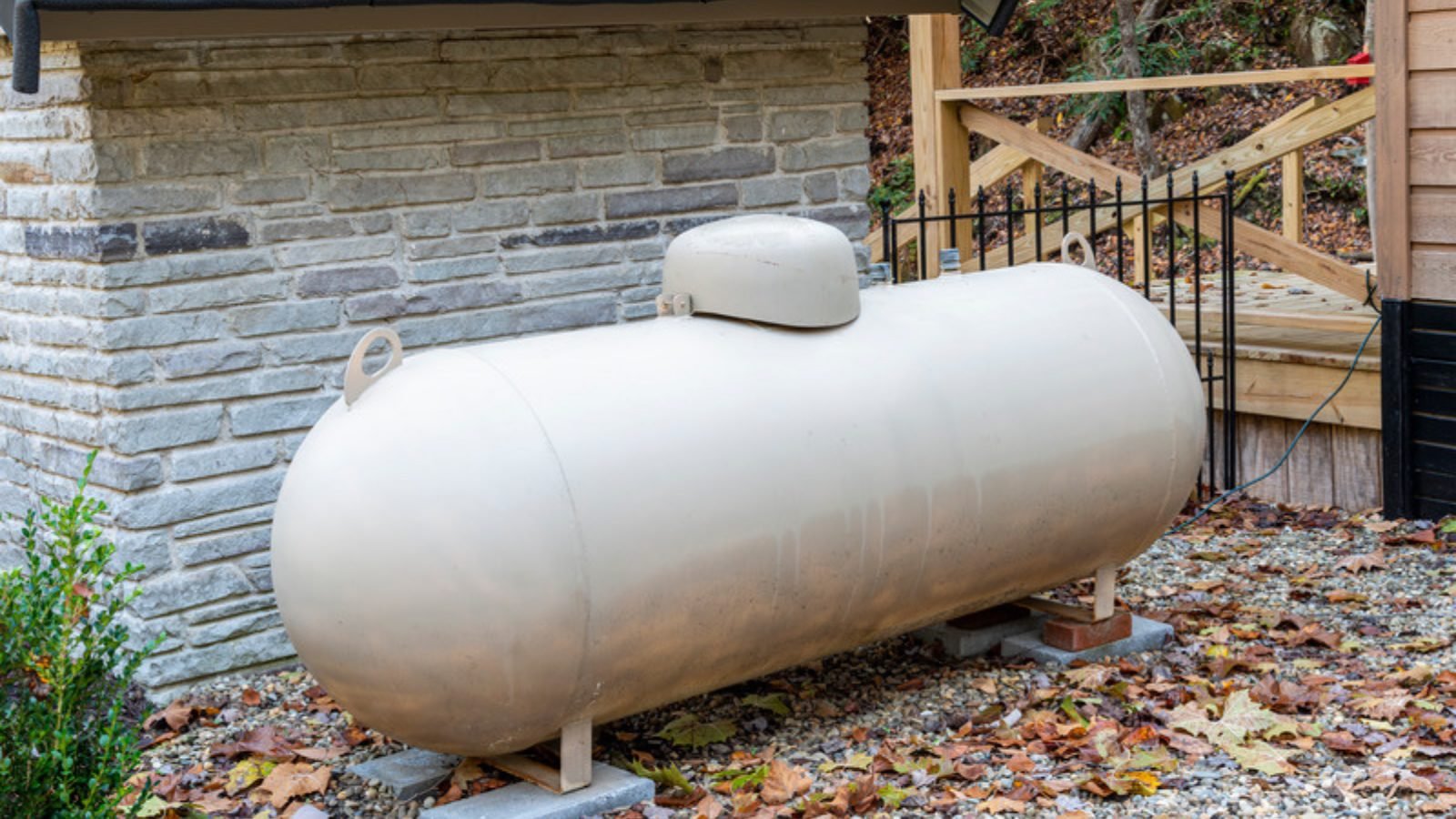
- Propane gives the full rated output and works in rural homes without gas service. You need a tank sized for long outages, and a delivery plan before storm season.
Ask the installer to check gas pipe size and meter capacity before you order. An undersized gas supply can stop a standby generator from reaching its rated output.
How Loud Is a Standby Generator?
Noise matters if the pad sits near a bedroom window or a neighbor’s property line. Makers measure at 23 feet (7 m), so the figures below are comparable only roughly, but they show the range.
| Generator | Normal or full load | Weekly exercise |
|---|---|---|
| Generac Guardian 10kW | 61 dB(A) | 57 dB(A) |
| Champion 14kW aXis | 62 dB(A) | Not listed |
| Generac Guardian 22kW | 67 dB(A) | 57 dB(A) |
| Generac Guardian 26kW | 67 dB(A) | 57 dB(A) |
| Kohler 20kW | 69 dB(A) | 64 dB(A) |
Many towns limit generator noise at the property line and set minimum distances from windows, doors and vents. Your installer and the permit office will tell you what applies. If quiet is your top priority for camping or tailgating rather than home backup, see our guide to the quietest generator for camping.
Installation, Permits and Running Costs
The price of the generator is only part of the bill. A typical installation includes:
- A level pad (composite or concrete) at the clearance the maker requires from the house
- A gas line from the meter or propane tank, sized for the generator
- The transfer switch wired into or next to your main panel
- An electrical permit, a gas permit in many areas, and an inspection
- A starter battery, and the first oil fill if it is not included
Even the best standby generator only performs as well as its installation, so get two or three written quotes from licensed installers who work with the brand you choose, and check that the quote lists the exact model number. Generac, Kohler and Champion each have installer search tools on their own websites. Running costs come down to fuel during outages, the weekly exercise run, and yearly maintenance.
Maintenance That Keeps a Standby Generator Ready
A standby generator can sit for months and then need to run for days, so upkeep matters more than run hours suggest.
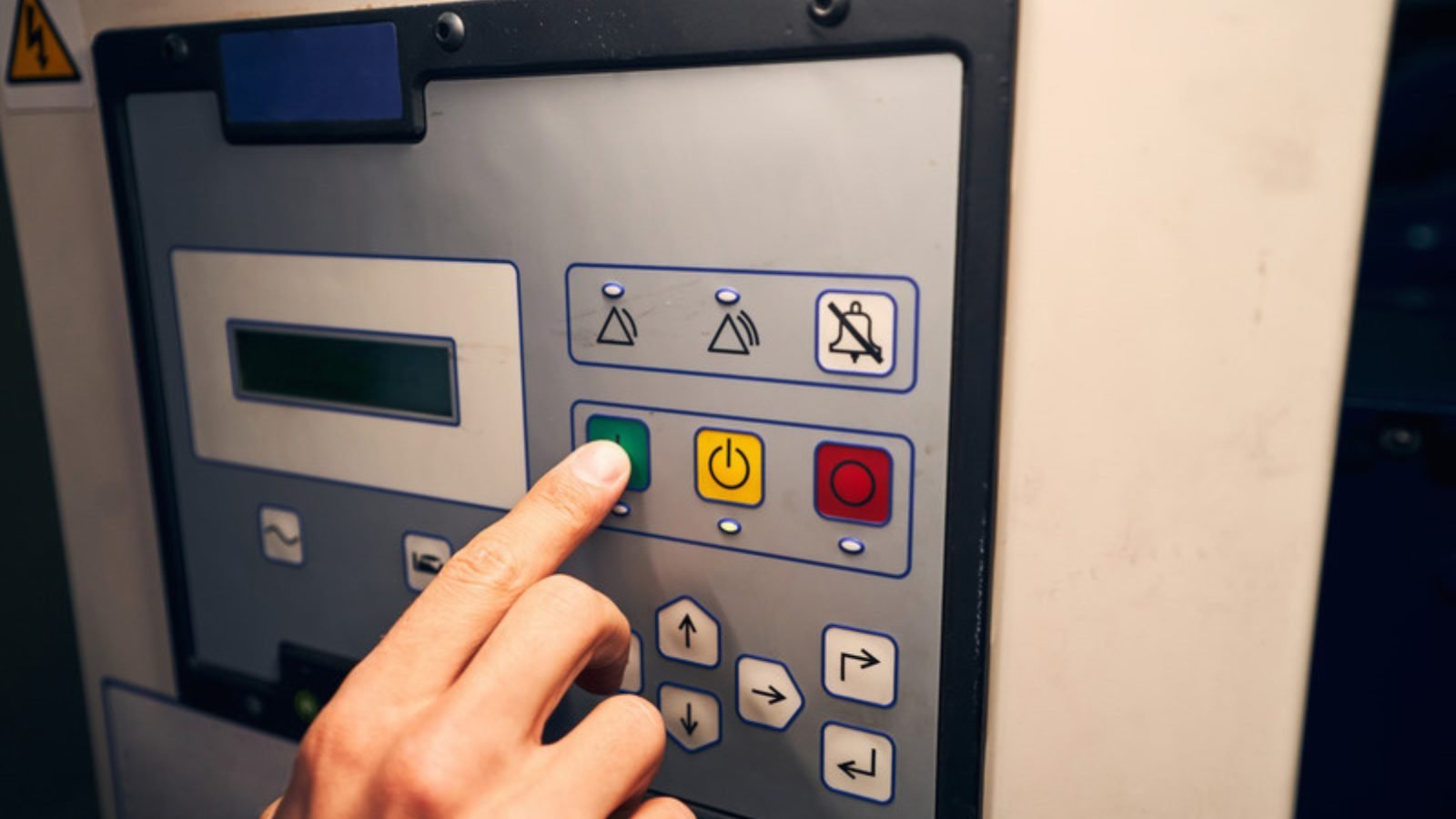
- Let the weekly exercise run, and check the app or the controller for alerts.
- Change the oil and filter at the interval in the owner’s manual, and after long outages.
- Replace the air filter and spark plugs on schedule.
- Test or replace the starter battery every few years. A weak battery can stop a generator from starting.
- Keep grass, snow, leaves and nests away from the intake and exhaust.
Many owners buy a yearly service plan from the installer. If you also keep a portable generator, the same habits apply to it: our Honda EU3000iS manual guide covers its service schedule, and a fitted generator cover keeps dust and rain off between uses.
Are Standby Generators Worth It?
A home standby generator is worth it if outages in your area last more than a day, if you work from home, if someone in the house relies on powered medical equipment, or if a flooded basement or frozen pipes would cost more than the system. It is harder to justify if outages are rare and short, or if a portable generator with an inlet already covers the essentials.
For most homes that do need one, the Generac Guardian 22kW is the best standby generator to start with. Pick the Champion 14kW if the 10-year warranty and lower noise matter more than raw output, the Kohler 20kW if you value the dealer-backed warranty, the Generac 10kW for essential circuits only, and the Generac 26kW for large homes.
Frequently Asked Questions
What is the best standby generator for home use?
For most homes, the Generac Guardian 22kW (7043) is the best standby generator. It makes 22 kW on propane and 19.5 kW on natural gas and includes a 200-amp whole-house transfer switch.
What size standby generator do I need?
Essential circuits in a small home usually fit a 10 to 14 kW generator. An average home with central air often needs 20 to 22 kW, and larger homes with two AC units look at 24 kW or more. A licensed installer should confirm with a load calculation.
How long can a standby generator run?
On natural gas it can run as long as gas service continues, with breaks for oil checks during long outages as the manual advises. On propane, run time depends on tank size and load.
Is a standby generator better than a portable generator?
A standby generator starts by itself, runs on natural gas or propane and can power the whole home. A portable inverter generator like the Honda EU3000iS costs much less and can also be used for camping and RV trips, but it needs manual setup and refueling.
How loud is a home standby generator?
The models in this guide are rated from 61 to 69 dB(A) at 23 feet under load, and Generac units drop to 57 dB(A) during the low-speed weekly test.
Can I install a standby generator myself?
In most areas, no. Connecting a generator to your panel and gas line requires permits and, in most areas, a licensed electrician and gas fitter. A professional install also protects the warranty.
Which lasts longer, Generac or Kohler?
Both are established brands with 5-year standard warranties. Kohler’s premium warranty includes parts, labor and travel. Real-world life depends far more on correct sizing, installation and regular maintenance than on the badge.
Can a Honda EU3000iS power a house?
It can run essentials such as a fridge, furnace blower, lights and electronics, up to 2,800 rated watts. It cannot run a whole house with central air. Use a power inlet with a transfer switch or interlock installed by an electrician.
Questions about backup power or your generator? Send us a message, or browse more owner guides on the Honda EU3000iS Generator home page.

 5 BEST Honda Generators Covers 2026 – Reviews & Buyer’s Guide
